September 21, 2026
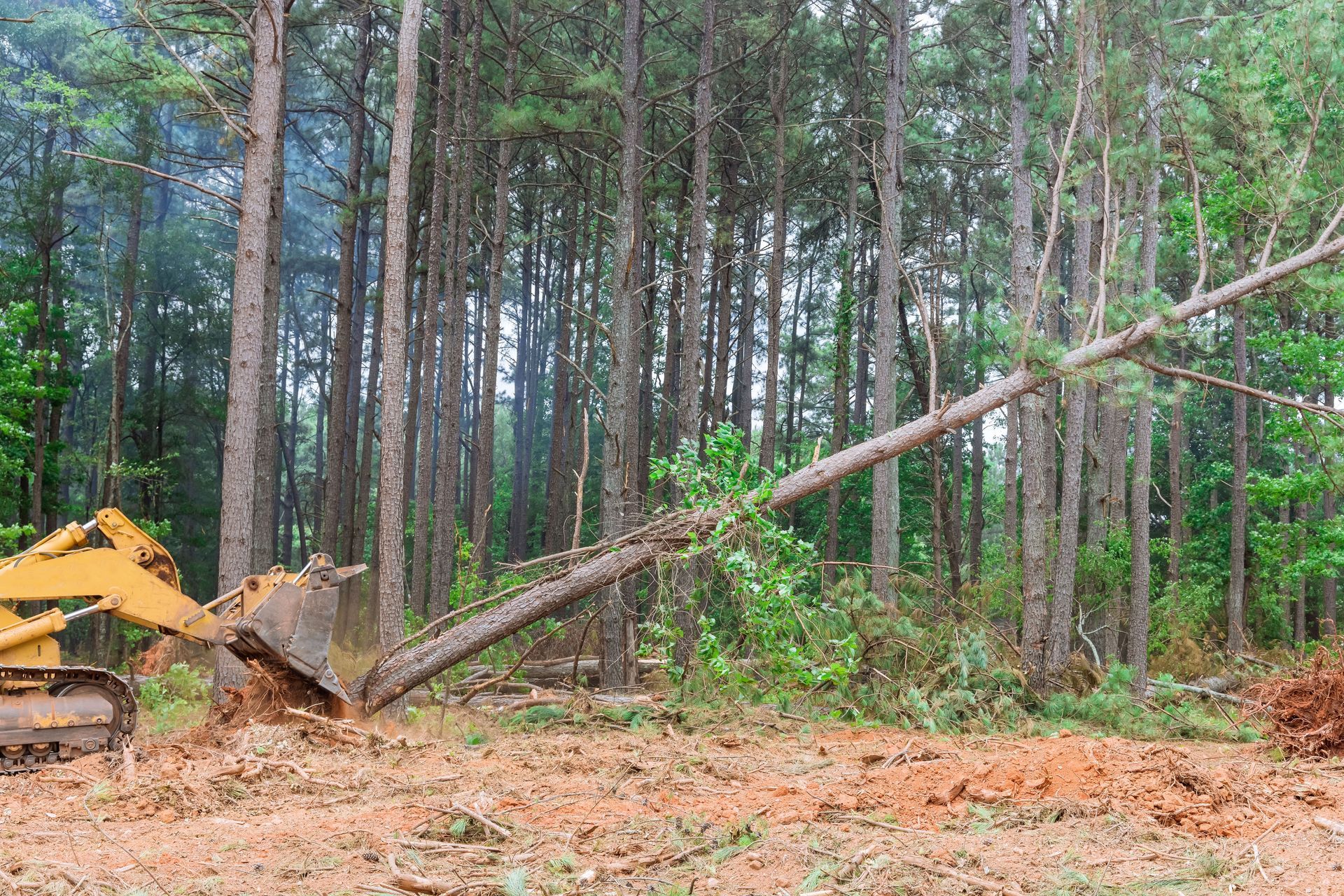
Before beginning any land development, preparing the area is a vital first step that requires thorough planning, adherence to regulations, and a keen eye for environmental responsibility. Typically, lot clearing involves removing trees, vegetation, rocks, and other obstacles from a piece of land to ensure that construction follows a smooth timeline and avoids potential setbacks. This process is essential to make way for various developments, including residential homes and commercial buildings. The process is not a mere physical task but requires extensive knowledge regarding environmental laws, site assessments, equipment, and safety measures. Property owners must approach this stage with a strategic plan, focusing on minimizing negative impacts on the environment while maximizing resource efficiency. Deciphering the myriad of legal and environmental guidelines might seem daunting, but thorough preparation prevents future complications and expenses. To ensure your development project starts on a solid foundation and avoids unnecessary delays, it is imperative to prepare comprehensively by following these essential steps before breaking ground.
Navigating the Legal Requirements With Precision
The legal landscape associated with developing a property is complex, necessitating a detailed understanding of local zoning laws, permitting processes, and environmental regulations. Researching zoning laws is the first step, as these determine how the land can be utilized for residential, commercial, or industrial purposes. Zoning laws also dictate the density of buildings allowed and the types of structures that can be built. Beyond zoning, obtaining the necessary permits is crucial to legally authorize your lot clearing activities. Without proper permits, project delays, fines, and legal challenges may arise. Complying with environmental regulations is equally important, ensuring that the activities do not harm protected wildlife or ecosystems. For instance, certain flora and fauna are protected under national or local laws, and failure to acknowledge these can result in hefty fines. Understanding property lines is another legal requirement to avoid disputes with neighbors or accidental encroachment on neighboring lands. Consulting with legal professionals who focus on land use can provide invaluable insights throughout this process, safeguarding the project from potential legal pitfalls.
Assessing the Site and Planning the Layout With Care
Conducting a thorough assessment is a cornerstone of effective land preparation. This begins with a comprehensive site survey that informs every subsequent decision. The survey must measure the topography, note existing vegetation, map boundaries, and pin down utility locations like power lines or water pipes. Understanding the intricacies of terrain and soil composition is crucial to anticipating challenges that may arise. For instance, rocky terrain or clay-heavy soil can present hurdles that require specific machinery or techniques to address. Evaluating the soil also helps in determining the load-bearing capacity of the ground, which influences construction plans and foundation design. According to ArchitectureCourses, if site prep is executed poorly, you will end up dealing with cracked walls, doors that refuse to close properly, wet basements, uneven concrete slabs, and extraordinarily expensive repairs just five or 10 years down the line. Planning for water drainage management is a critical component to avoid flooding and foundation instability. It is essential to analyze the natural flow of water and implement strategies like grading and drainage to direct water flow appropriately. A well-thought-out logistics plan ensures efficient movement on site, reducing the risk of delays and accidents.
Preparing the Equipment and Tools With Thorough Inspections
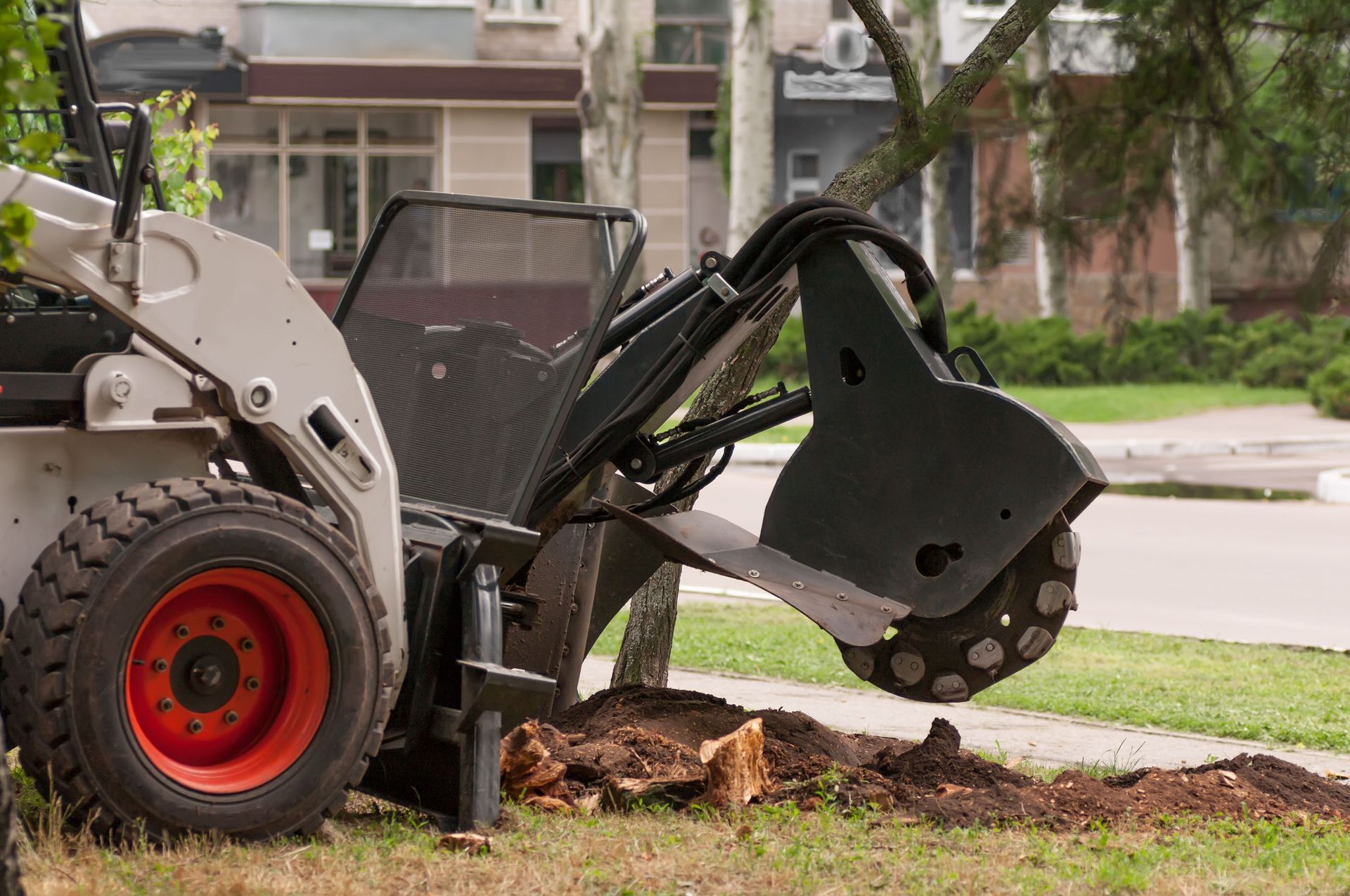
Gathering the necessary equipment and tools is an integral part of any project, involving several considerations to ensure smooth operations. The first step involves listing all required heavy machinery, from excavators and bulldozers to chainsaws and stump grinders. Each piece of equipment serves a specific purpose, and having the correct tools on hand prevents delays and inefficiencies. Ensuring that the equipment is well-maintained is equally important, as malfunctioning machinery can slow down progress and pose safety hazards. Regular maintenance checks should be conducted to identify any issues before they escalate into significant problems during lot clearing. Arranging for equipment transport is another critical consideration. Transporting heavy machinery to and from the site demands logistical coordination to prevent delays and ensure safety. Identifying routes, securing transport permits, and planning for proper loading all contribute to this essential step. Additionally, training and certifying operators who will run the equipment is of utmost importance. Preparing safety gear complements the machinery, ensuring that all personnel are safeguarded with hard hats, gloves, and high-visibility vests.
Protecting the Environment With Sustainable Practices
Acknowledging and planning for environmental considerations is critical in contemporary operations. Identifying protected flora and fauna on the property is essential to ensure the well-being of the ecosystem is maintained and legal repercussions are avoided. Mapping out the areas where these species reside allows for adjustments in the development plan, safeguarding natural habitats. Planning for tree and vegetation preservation further emphasizes this ecological responsibility. Not all vegetation needs removal – some can be preserved to enhance aesthetic appeal and support biodiversity. Developing soil erosion control measures is another environmental priority. The process of lot clearing can unearth large swathes of land, leaving them vulnerable to erosion, which can degrade the soil quality and disturb watercourses. Creating a waste disposal plan is crucial to managing the by-products, including vegetation, roots, and soil. Environmentally responsible waste disposal ensures that materials are reused, recycled, or disposed of in an eco-friendly manner. Adopting sustainable practices demonstrates a commitment to stewardship of the land, aligning with broader environmental goals and consumer expectations.
Implementing Safety Protocols and Managing Risks With Caution
Conducting risk assessments is foundational to managing hazards effectively. These assessments analyze potential dangers, considering factors such as unstable soil, heavy machinery operation, and local environmental challenges. Identifying these risks facilitates the development of strategies to mitigate their impact, from using specialized equipment to enacting careful work protocols. Establishing a safety protocol guards against accidents and injuries, prioritizing employee health and project continuity. Implementing emergency procedures further reinforces a safety-first approach. Training workers to respond effectively to emergencies, whether it is a medical situation or an equipment failure, forms an integral part of the safety plan. These procedures should be rehearsed regularly through drills, ensuring readiness in the event of an actual emergency. Securing the site from unauthorized access is a vital aspect of risk management, safeguarding against vandalism, theft, or accidental injuries to bystanders. Proper fence installation helps deter unauthorized entry and ensures that only designated personnel have access to the site. Proper safety protocols are non-negotiable components during lot clearing, contributing to a streamlined process and overall success.
Coordinating Timelines and Communicating With Stakeholders
Developing a detailed timeline is key to keeping projects on track. A precise timeline outlines the sequence of tasks, deadlines, and resource allocations, providing a roadmap for the entire project. This structured approach minimizes the risk of delays and inefficiencies, ensuring that each stage proceeds according to plan. Coordination with local authorities plays a crucial role, aligning the project with governmental requirements and benefiting from municipal cooperation. Gaining necessary approvals and insights from local entities can smooth out potential roadblocks and ensure compliance. Communicating with stakeholders is vital to maintaining transparency, accountability, and engagement. From investors and landowners to community members, keeping stakeholders informed builds confidence and addresses concerns proactively. Regular updates, clear channels of communication, and openness to feedback help in managing expectations and reducing conflicts. Setting up regular progress meetings enables thorough monitoring and evaluation of project milestones. Effective coordination and communication in lot clearing ventures result in smoother workflows, stronger stakeholder relationships, and successful project outcomes.
Successfully preparing a property is a multifaceted endeavor that requires a well-rounded strategy. By understanding legal requirements, conducting thorough planning, ensuring safety, and maintaining open communication lines, property owners can effectively handle the initial stages of development. Ignoring these crucial steps can lead to significant setbacks and long-term complications. However, with detailed preparation, potential issues can be addressed before they arise. Future construction projects depend heavily on the quality of the groundwork, making it incumbent upon developers to prioritize thorough preparation. If you are looking for professional assistance, we at Premium Ground Worx are here to help. Whether your project requires excavation and site prep, fence installation, grading and drainage, or land and lot clearing, our team is ready to deliver exceptional results. We provide the expertise needed to ensure your land is transformed efficiently and responsibly. Contact us today to begin your next project on the right foot.